
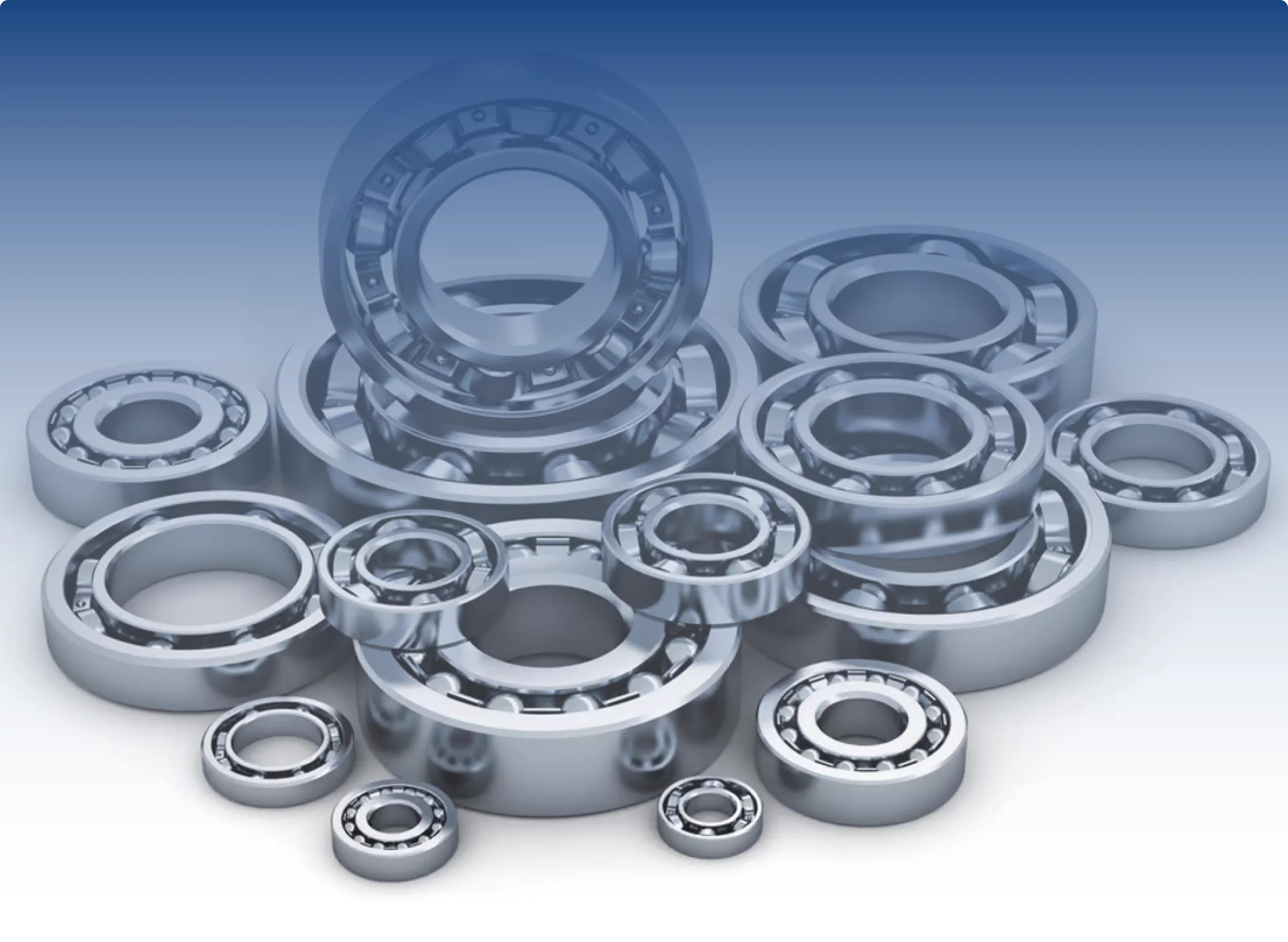
In the world of manufacturing, the quality of components like ball bearings directly impacts the efficiency and longevity of machinery. Ball bearings are pivotal in various industries, from automotive to electronics, where they reduce friction and handle stress to enhance equipment performance. The global market is dominated by two major players: India and China. Each country’s manufacturing capabilities have unique strengths and weaknesses. In this comprehensive analysis, we’ll explore the differences between Indian and Chinese ball bearings, focusing on aspects such as quality, cost, innovation, and supply chain dynamics, with a special emphasis on the offerings of RRB Bearings, a leader in the Indian bearing industry.
Quality and Precision Manufacturing
Indian Ball Bearings:
Indian manufacturers have long focused on quality to compete on a global scale. Companies like RRB Bearings have set high standards, often aligning with global certifications such as ISO and ASTM to ensure reliability and performance. The Indian bearing industry uses state-of-the-art manufacturing technologies and robust quality control systems to produce bearings that are durable and precise. This attention to detail ensures that bearings can withstand challenging industrial environments and provide long service life.
Chinese Ball Bearings:
China’s manufacturing ecosystem is vast, offering a range of quality from high to sometimes inconsistent. While many Chinese manufacturers adhere to international standards, producing top-quality bearings, the market also has instances of lower-quality products due to the emphasis on mass production. This variability requires buyers to be vigilant and conduct thorough quality checks to avoid the risk of acquiring inferior bearings that might fail prematurely under operational stress.
Cost Efficiency and Market Penetration
Indian Ball Bearings:
India offers a competitive edge in cost-efficiency without compromising quality. Indian bearings are generally priced competitively, making them attractive to both domestic and international markets. RRB Bearings, for example, benefits from integrated supply chains and local sourcing of raw materials, which reduces costs and allows the company to offer affordable yet high-quality products. This strategy not only supports local industries but also gives Indian bearings a price advantage in global markets.
Chinese Ball Bearings:
China is renowned for its ability to produce at lower costs due to economies of scale and government subsidies. This has allowed Chinese bearings to flood international markets with affordable options. While this can be advantageous for buyers looking to cut costs, it sometimes comes at the expense of quality, particularly in the lower segments of the market. However, premium Chinese brands maintain high standards and are competitive internationally.
Innovation and Technological Advancements
Indian Ball Bearings:
Indian companies are increasingly investing in research and development to innovate and improve their offerings. RRB Bearings, for instance, focuses on developing specialized bearings that cater to specific industrial needs, such as high-temperature bearings or corrosion-resistant models. This commitment to innovation is evident in their bespoke solutions, which are tailored to unique customer requirements and operating conditions.
Chinese Ball Bearings:
China has made significant investments in automating production lines and improving manufacturing processes, which has enhanced the overall quality and reduced defects. Chinese manufacturers are also quick to adopt new technologies, which helps them maintain a strong position in the market. However, the focus is often more on improving production efficiency rather than customizing products to specific client needs.
Supply Chain Robustness and Global Reach
Indian Ball Bearings:
India’s strategic geographic location provides an advantage in terms of shipping and logistics. Indian manufacturers like RRB Bearings can efficiently serve both Eastern and Western markets. Moreover, India’s growing infrastructure and government support for manufacturing exports strengthen its supply chain capabilities, ensuring reliable and timely deliveries.
Chinese Ball Bearings:
China’s global supply chain is unmatched, supported by a mature logistics network that includes some of the world’s largest shipping ports. This logistical prowess allows for the rapid distribution of Chinese bearings worldwide, which is a key factor in their global market dominance. However, recent geopolitical tensions and trade disputes have sometimes disrupted this supply chain, leading to delays and increased costs.
Conclusion
Choosing between Indian and Chinese ball bearings depends on the specific needs of a business, including factors like budget constraints, quality requirements, and desired levels of customization. RRB Bearings offers a compelling choice with its focus on high-quality manufacturing, cost efficiency, continuous innovation, and robust supply chain management. By selecting RRB Bearings, customers gain access to reliable products designed to meet diverse industrial demands while enjoying dedicated customer support and tailored solutions.
For businesses looking to enhance their machinery’s performance with top-tier ball bearings, RRB Bearings stands out as a preferred provider, blending the best of cost, quality, innovation, and service.